
“What causes acne? What are the types? How to solve acne problems effectively!
Whether in the past or present, acne has always been a top skin concern for everyone. This includes acne on the face, body, or even in hidden areas. All of these acne issues significantly impact confidence in daily life.
Especially in today's era with increased smartphone and computer usage, and more cameras being used, acne is becoming even more apparent.
Many people try to treat acne themselves in every way, such as applying creams, spot treatments, squeezing pimples, and cleansing their faces thoroughly, but why doesn't the acne disappear? Sometimes, it even gets worse than before.
The cause may be that our treatment methods do not match the type of acne we have. Therefore, today I will introduce everyone to the types of acne so that everyone can know the correct treatment methods in time to prevent an increase in acne.

Clogged pores
What are clogged pores? What causes them?
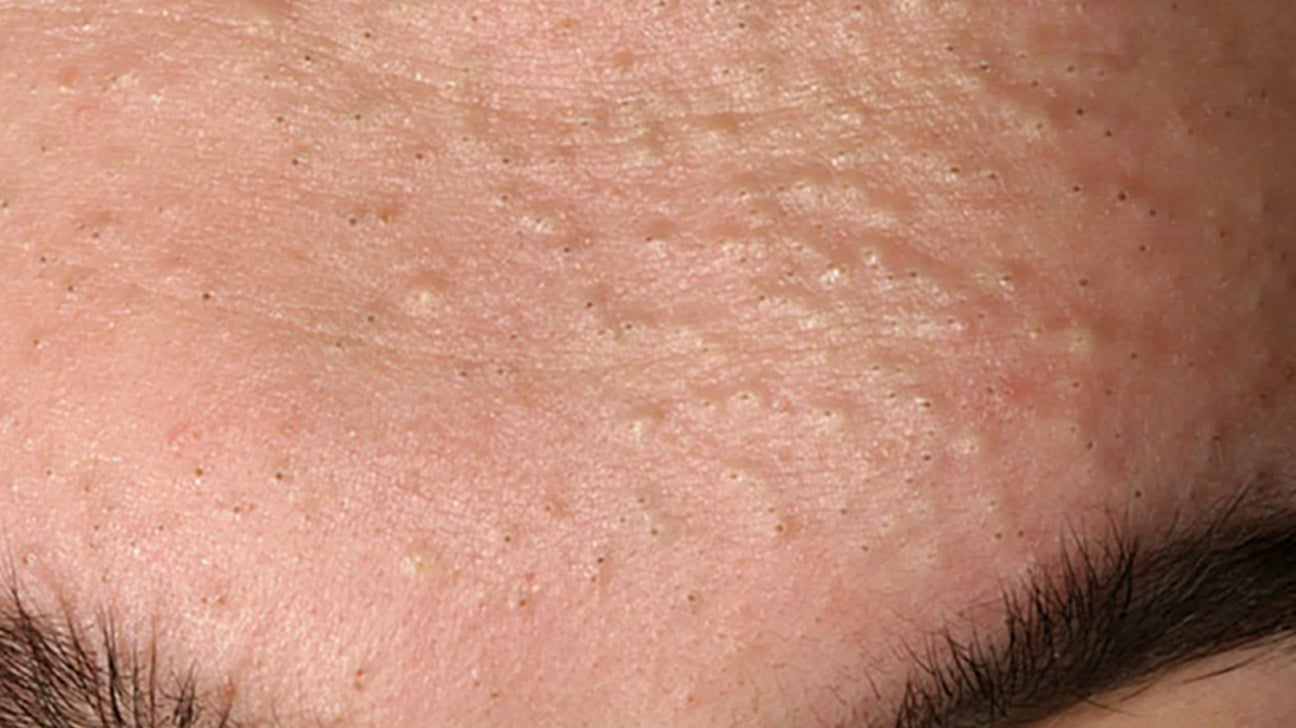
Comedones are pimples that form due to clogged oil glands under the skin. This happens when the oil glands produce an excessive amount of oil, which then clumps together with abnormal skin cells or with dirt in the hair follicles, such as dust particles or makeup, causing a blockage. Comedones are not inflamed, but they remain under the skin, which can cause irritation when you have them.
What's the difference between whiteheads, blackheads, and blind pimples?
Whiteheads or closed comedones
Many people often confuse this type of acne with inflammatory acne. However, whiteheads are smaller in size and have a small white, hardened bump at the center, which is filled with sebum. Sometimes, they may appear the same color as the skin. This type of acne can become inflamed if squeezed, pressed, or picked at improperly.
Blackheads or open comedones
This type of acne is easy to spot. You can observe a black lump in the center of the eruption. It develops from whiteheads that have been left untreated for a long time, until the head of the pimple is exposed to the air. This causes oxidation, turning it black. Blackheads must be pushed or squeezed out. However, if you push or squeeze them incorrectly, it can cause inflammation, and if left for too long, it can lead to acne scars.
Acne without a head, or closed comedones
Whiteheads are non-inflammatory clogged pores that cannot be seen and are not visible to the naked eye. They may cause pain or tenderness when touched and can occur naturally due to increased androgen hormones during adolescence and before menstruation. This hormonal imbalance leads to overproduction of sebum, resulting in whiteheads.
Acne can occur in which areas?
Blackheads can occur all over the body, most commonly on the cheeks, jawline, and other areas such as the chin, forehead, and back.
What is the treatment for clogged pores? What should I use?
Comedonal acne treatment can be done in 4 main ways:
Squeeze pimple The advantage is that it can quickly bring out pimples. However, if the pimple is not completely squeezed out or is squeezed incorrectly, it can cause increased inflammation and even increase the risk of acne scars. Therefore, it is recommended to have a specialist extract the pimples to prevent potential risks.
Ointment Acne treatments, or spot treatments for acne, generally contain compounds that help reduce excess oil around the acne or inhibit bacterial growth on the skin, causing the acne to subside.
You should consult a specialist doctor or pharmacist before choosing to buy any medication, because if you choose a medication that is not suitable for your acne problem, you may not see results or it could worsen your acne.
Take medicine Suitable for those with a large number of both comedonal acne and inflammatory acne, as taking medication for comedonal acne will also treat those with concurrent inflammatory acne. The medication works by regulating hormones that stimulate acne or oil production, causing them to decrease and become more balanced, thus reducing acne. However, when purchasing medication to take, one must be cautious of potential side effects. It is best to consult a specialist physician for prescription and dispensing of medication.
Acne injection ー An injection into the pimple can reduce the inflammation. This method is suitable for those with large cystic acne or nodular acne. To prevent recurrence, the pimple head should be extracted first, and treatment should include topical acne medication and oral medication, all under the supervision of a specialized physician.
Heat rash

What is heat rash and what causes it?
Acne aest
How do acne aesthetica and clogged pores differ?
Milia and clogged pores are both caused by excess oil that becomes trapped beneath the skin. However, milia... Often caused by fungi reacting with sebaceous glands (which are dense on the forehead). They cannot be squeezed out but can heal on their own. If medication or cream is required, a group of antifungal agents with different mechanisms of action from those used for clogged pores will be used.
How to treat “heat rash acne”
Acne treatment can be done by taking medication or applying topical treatments prescribed by a specialist. Additionally, acne can be prevented by adjusting daily habits as follows:
- Get enough rest At least 5-8 hours
- Drink lots of water. Sip water slowly, a little at a time, all day long. 1-2 liters per day.
- Exercise regularly ー3-5 times a week, 30 minutes each time (use tissues to pat your face dry after exercise to help prevent acne)
- Avoid foods that are often found to cause acne. Reduce fried foods, fatty foods, sweets, and chocolate.
- Avoid touching your face Or if it's necessary to touch your face, use facial tissues instead.
- Choose gentle skincare and cosmetic products. ー Non-comedogenic
Blackheads
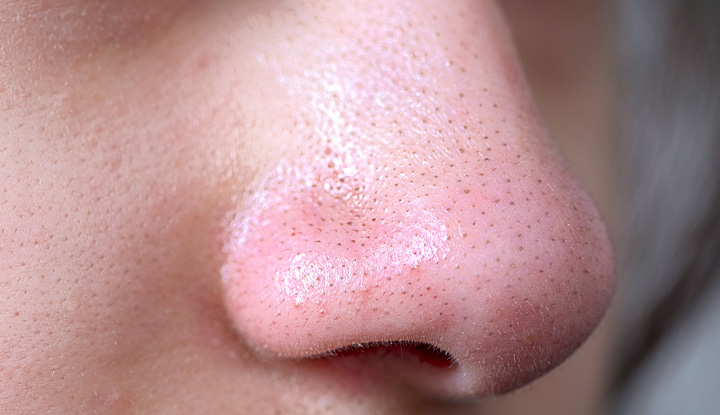
What are blackheads? What causes them?
Piedra (Trichostasis Spinulosa) resembles blackheads but is smaller. Piedra is caused by a hair follicle abnormality where more than one hair grows within a single follicle.
Can grow from hair follicles on the face and all over the body
There are several factors that can cause blackheads, such as endocrine system disorders, hormonal imbalances,, Including fatty foods, sweets, fried foods, and not washing your face properly, which can clog pores, etc.
Blackheads can appear on which areas of the body?
Blackheads can occur in any area with pores. Most people have blackheads on their nose, cheeks, forehead, and other areas such as the forehead, chin, back, and chest.
How to treat blackheads and get rid of them.
- Tweezers extraction Use pointed tweezers for easy access to pores, but be careful that the tip of the tweezers may puncture the skin, causing wounds and risking skin inflammation.
- Pore strip It's a gentle way to remove blackheads without harming the skin. It can extract blackheads, whiteheads, and grease that clogs pores. It is recommended to use a standardized device and have it performed by a specialist doctor. You should not buy non-standard blackhead extractors for self-use to prevent side effects.
- Blackhead removal Using pore strips, which can be bought at general stores, is an easy method, but it has drawbacks: it risks drying or peeling the skin, and if the blackheads are not completely removed, it can cause clogging or inflammation.
- Skin scrubbing This is another method that helps exfoliate skin cells, making blackheads easier to remove. However, you should not scrub your skin too frequently, as it can make your skin thin.
- Serum or cream for blackhead reduction Or acne spot treatments with BHA, LHA, Salicylic, or Glycolic acid, but you should not use multiple products at once as it can harm your skin. It is recommended to consult a doctor to choose skincare suitable for your skin condition.
- Laser hair removal Or do IPL treatmentFocus specifically on the pores, helping to reduce hair loss because it can eliminate the hair follicle
There are various methods to remove blackheads, ranging from simple DIY treatments at home to procedures using medical equipment. However, if you're concerned about using the wrong method and causing more breakouts, it's recommended to consult a dermatologist for a proper skin analysis. This ensures effective, safe, and long-lasting results without recurring issues.
Inflammatory acne, cystic acne
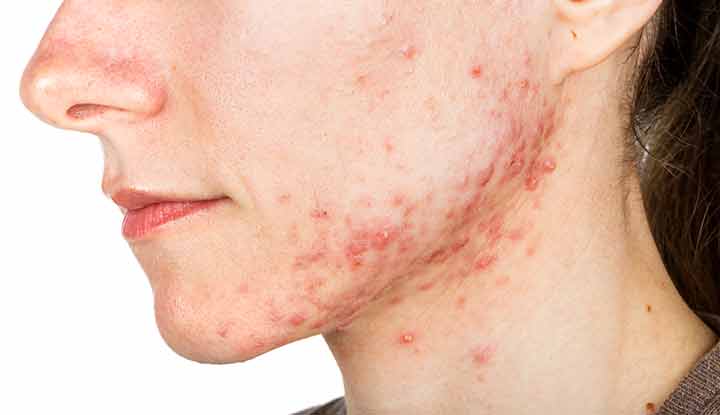
What is inflammatory acne and what causes it?
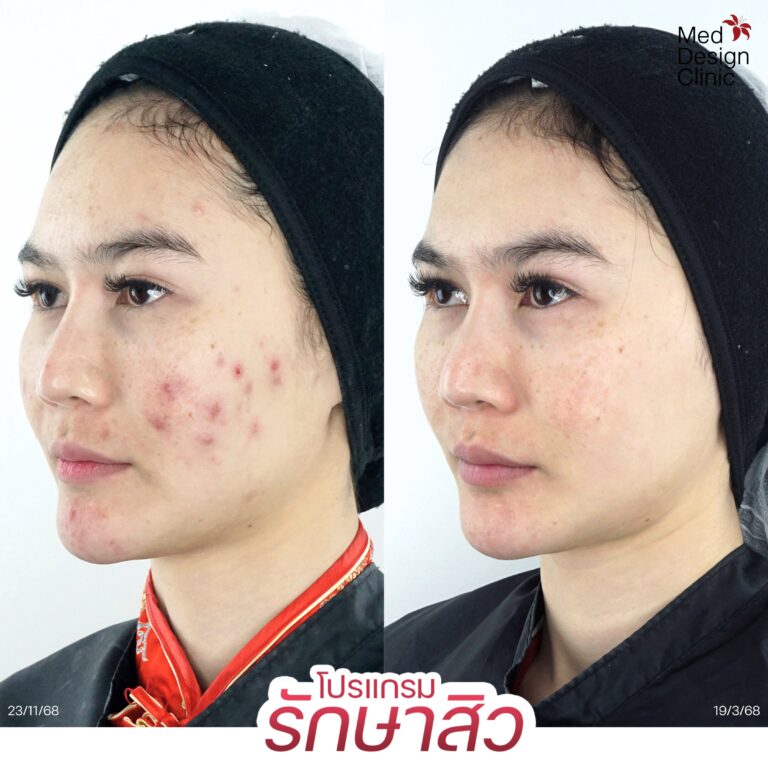
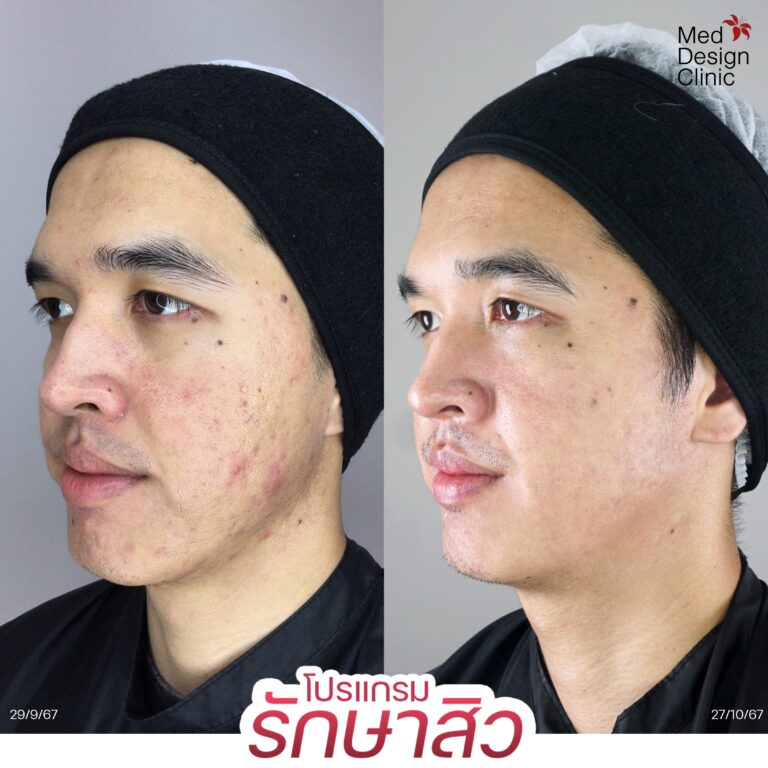
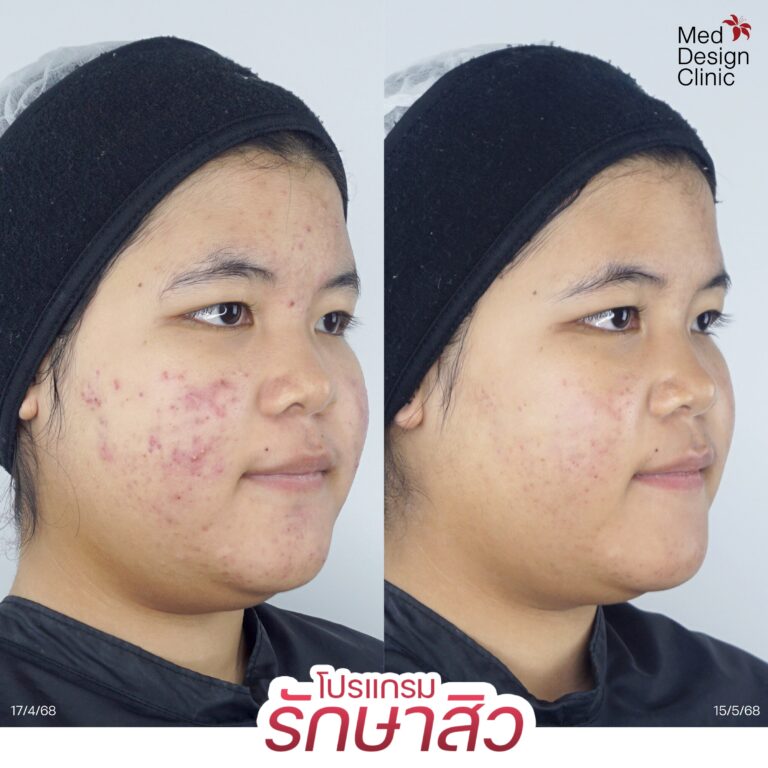
Inflammatory acne is caused by bacteriaTire Cutibacterium acnes (C.acne) or bacteria Propionibacterium acnes (P. acnes) that proliferates on acne lesions, causing inflammation. Often caused by whiteheads that are triggered by bacteria, leading to severe inflammation under the skin. It is acne characterized by red pimples of a certain size.Small to medium. It hurts when touched.
A nodule“Pustule”
If bacteria invade the deeper layers of the skin, causing large pimples, inflamed pimples without heads, and clearly swollen and red appearances, which are very painful to the touch, this type of inflamed pimple is called “Cystic acne”It can be treated urgently by a doctor specializing in acne injections only, to reduce inflammation and make acne subside faster. You should not squeeze inflamed acne or pimples yourself, as this may worsen the inflammation and easily leave acne scars on your face.
How to Reduce Inflammatory Acne
- Treat acne with topical medication
MedicineDisinfect bacteria Specifically Propionibacterium acnes (Cutibacterium acnes) which is the main cause of inflammatory acne
Vitamin A derivatives It helps reduce acne clogging and inflammation, but you should avoid direct sunlight as it may cause redness, stinging, or peeling of the skin.
In this regard, the selection of each medication depends on the characteristics of the acne, taking into account the judgment of the physician and pharmacist.
2. Treat acne with oral medication
- Antibiotics: Has antibacterial properties, and can also help soften and smooth the skin.
- This group of vitamin A derivatives helps inhibit bacteria, reduce sebum production, and increase skin cell turnover. However, they can have strong effects and potential side effects. They are suitable for cases with a large number of acne lesions or severe inflammatory acne. This type of medication must be used under the supervision of a specialist doctor only.
- Hormonal medication: To help balance your hormones and prevent your body from producing excess fat.
Before taking each medication, you should consult with your doctor.
3. Acne treatment using light therapy and medical devices
LED acne sterilization This is blue light therapy at a wavelength of 470 nanometers. It helps reduce inflammation and kill acne-causing bacteria, as well as control sebum production to prevent excessive oil that leads to acne. This reduces clogged pores and inflammatory acne.
Intense Pulsed Light (IPL) This involves using high-intensity light targeted at the deeper layers of the skin without causing excessive burning. It helps to kill acne-causing bacteria with its specific wavelength and can also reduce excess oil production from sebaceous glands. IPL also helps to reduce dark spots on the face.
Alpha Hydroxy Acid (AHA) Or fruit acids. Properties that help exfoliate clogged acne under dead skin cells, and also help remove dirt acne in pores that cause acne.
Inflamed acne won't stop. What should I do?
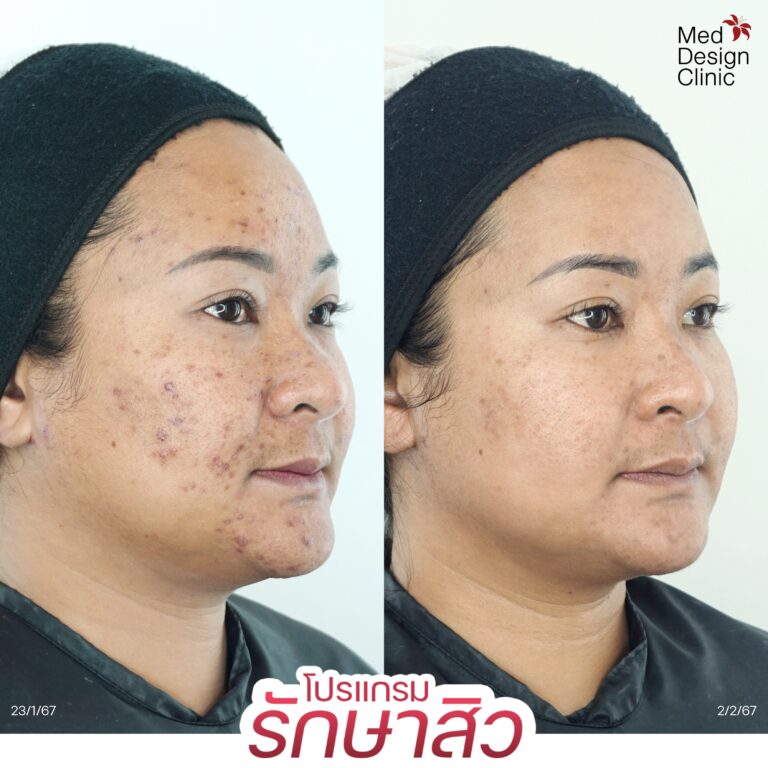
If you have persistent or chronic acne inflammation Acne can spread across the entire face. It is recommended to consult a dermatologist for proper diagnosis and treatment. If left untreated, acne can damage the skin, leaving behind dark spots, red marks, and acne scars that may be difficult to treat in the future.
How to treat recurrent hormonal acne on the chin
Inflammatory acne on the chin is primarily caused by elevated androgen hormones, which stimulate the sebaceous glands to produce excessive sebum, a component of oil. This leads to an increase in bacteria.
Factors that cause changes in hormone levels within the body include
- Menstrual period
- Polycystic Ovary Syndrome (PCOS)
- To prayAndrogen excess Hyperandrogenism
- Stress and insufficient rest
- During pregnancy, it is advisable to consult a doctor to investigate other possible causes, such as ovarian cysts or ovarian tumors.
Hormonal acne treatment with medical procedures and devices
- Using chemical peels to exfoliate dead skin cells
- Phototherapy and laser treatments help kill bacteria on the facial skin.
- Acne injections provide good treatment results, but should be done under a doctor's care and used in conjunction with other topical medications.
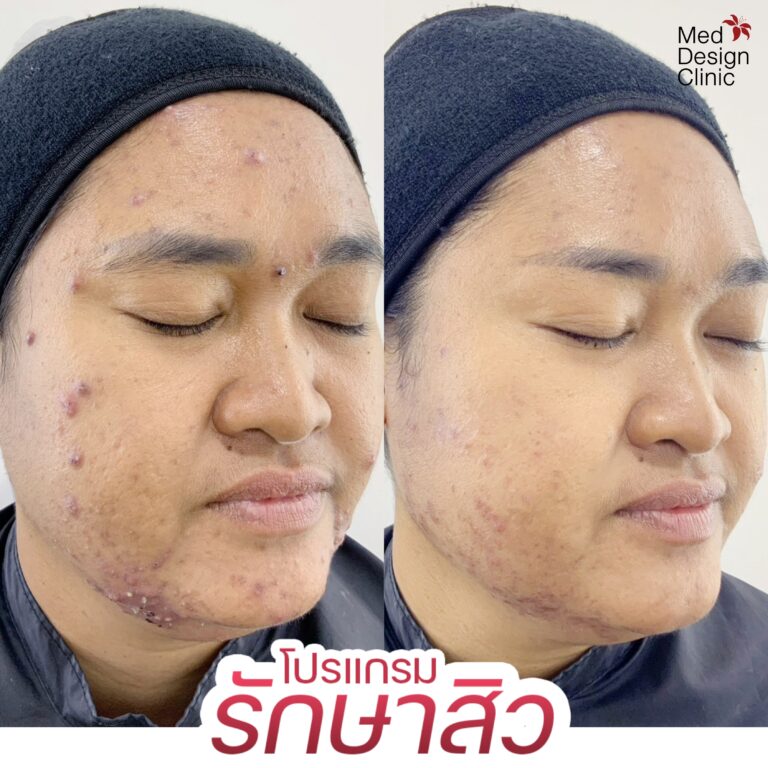
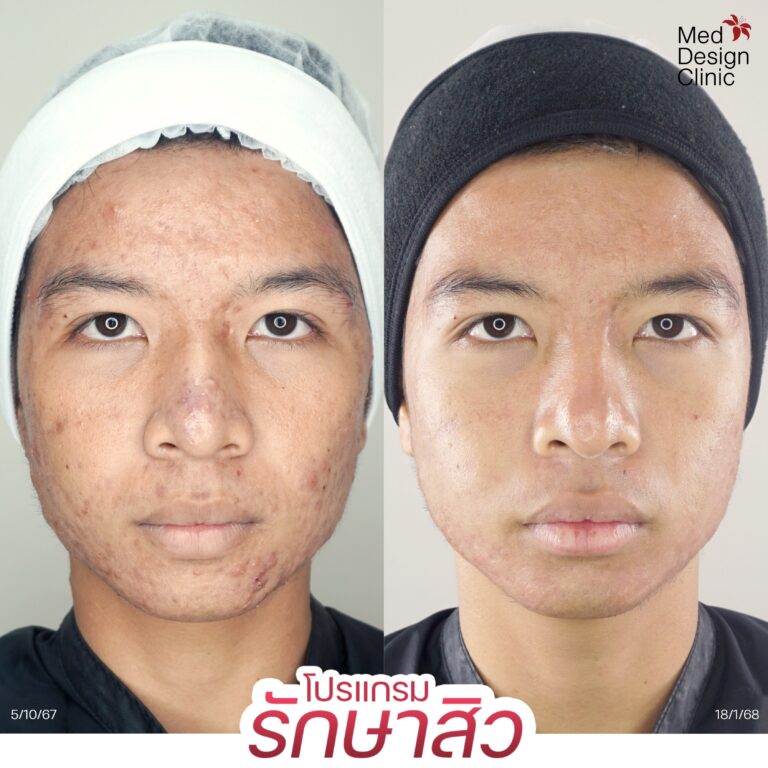
Back acne
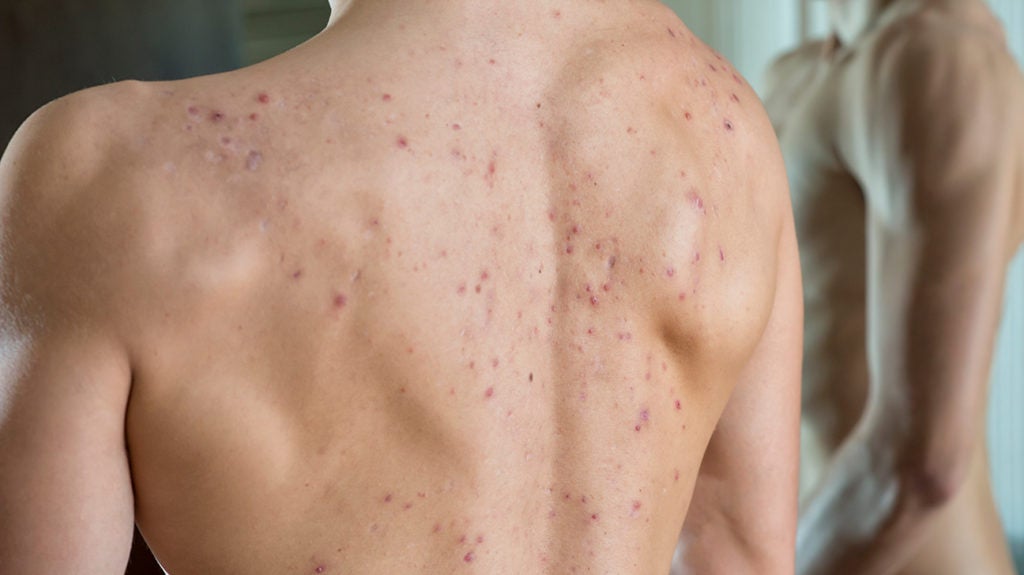
“Back acne” is a common cause of insecurity. What exactly is the cause?
Acne on the backBack acne, also known as bacne, is caused by bacteria and excess oil that clog the skin, similar to facial acne. Back acne can be caused by bacteria, hormones, and oil that clog pores. Sometimes, it can also cause swelling, redness, and irritation. In severe cases, it can lead to large pimples, such as cystic acne.
How to treat back acne
- Topical medication or cream for acne treatment
- Fruit acid exfoliation helps to remove old skin cells and also helps to clear pores to prevent acne.
- Injections may be an option for individuals with large acne lesions on their back. However, due to the risk of side effects such as allergic reactions or inflammation, it is recommended to consult a dermatologist for an assessment of suitability and proper treatment guidance.
- Change clothes after sweating or getting dirty.
- Clean the skin on your back with gentle products, such as soap containing tannins and xanthones, which have anti-inflammatory, antibacterial, and antifungal properties that help reduce acne and skin conditions.
- Laser Acne Treatment for the BackThe laser replaces the needle that pierces the hair follicles on the back, leading to quick and painless results, which reduces the risk of skin inflammation compared to using needles. After the laser treatment, strictly follow the dermatologist's recommendations to prevent skin damage.
- Acne mesotherapy on the back is a procedure where plant extracts and various vitamins are injected into the skin. This helps to increase moisture, reduce rashes and blemishes, decrease sebum production, and make the skin appear brighter. Consult a skincare specialist before deciding to have mesotherapy or skin vitamins for your back.
Summary
It can be seen that each type of acne has different causes, whether it's acne from excess oil, acne from bacteria, hormonal acne, or other factors that we may not be aware of. Most treatments involve the use of medical devices and medication. Each type of medication works differently. For some people who are treating acne themselves and it's not completely clearing up, other factors may be involved. If the skin problem is not properly examined and diagnosed by a dermatologist, the current acne problem may never be resolved. Therefore, if you experience problems, it is recommended to consult a doctor for correct and safe treatment.
Thank you for some of the information from
- https://www.healthline.com/health/blackhead-on-lip#_noHeaderPrefixedContent
- https://www.medicalnewstoday.com/articles/321815#takeaway
- https://www.phyathai.com/th/article/3846-บำบัดผิวด้วยการฉายแสง
- https://www.aesthetipedia.com/treatments/ipl-for-acne/
- https://www.healthline.com/health/beauty-skin-care/alpha-hydroxy-acid
