“Acne scars and pitted acne scars” - the causes of uneven skin texture. How can they be fixed?
Dark spots, acne scars, and red marks are common skin issues that often follow acne breakouts. While they may not be harmful to the skin, these problems can affect many people's confidence, impacting everything from makeup and fashion choices to photos and social interactions.
To achieve a better appearance and smoother facial skin, today we'll help recommend methods for caring for acne scars and pitted scars, understanding the root causes, along with ways to prevent these skin problems from worsening.

Acne scars

“What types of acne scars are there and what causes them?
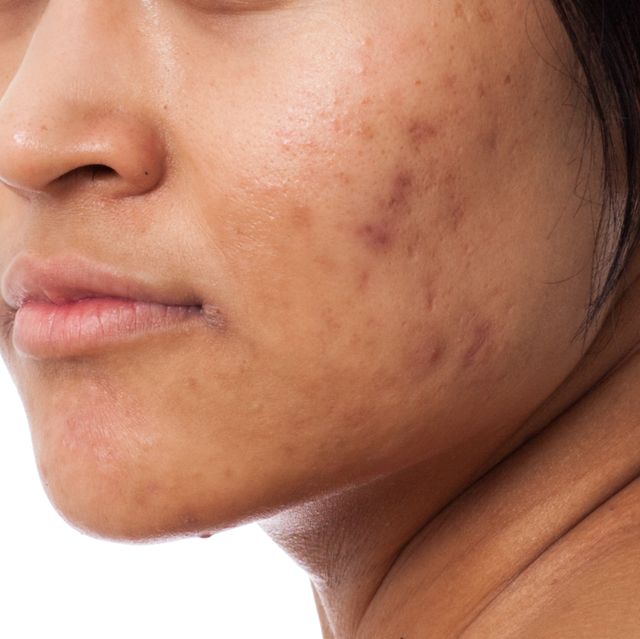
Acne scars look like wounds that occur after treating acne, picking pimples, or squeezing pimples, causing brown or red scars in the area where acne once was.
The acne scars will be divided into two categories as follows:
Acne redness Caused by squeezing pimples, picking at clogged pores and inflammatory acne, especially if done without proper hygiene. WillIt causes inflammation, which initiates the body's healing process.Futothrough the transport of blood to the infected area, causing it to appear as red, purple, or pink spots.
Acne scars Can come from all types of acne, especially inflammatory acne. It appears as brown or black spots. It can be caused by many factors, whether it's the acne scar being exposed to sunlight, causing the body to produce melanin to protect the skin from UV rays, and other inflammatory factors from squeezing or picking acne.
How to Treat “Acne Scars” and Get Rid of Annoying Skin Problems!
Choose skincare, serums, and creams that contain ingredients with properties that help reduce various types of blemishes, such as:
- Glycolic Acid
- Niacinamide (Vitamin B3)
- Tranexamic Acid
- Thiamidol
- Kojic Acid
- Vitamin C
- Retinols (Vitamin A)
- licorice extract
Including theApplyUse sunscreen regularly to protect your skin from UV rays, which are the cause of acne scars.
“How to fade acne scars quickly?
Acne scars can naturally heal on their own, and natural ingredients can be used to treat them. However, the disadvantage is that it takes a relatively long time compared to using medical devices or procedures at beauty clinics, which are the best and fastest ways to reduce acne scars.
- Skin sheddingExfoliation Help with skin exfoliation to achieve a brighter complexion using chemical exfoliants, categorized into 3 types from low to high concentration: Superficial peels Minimal concentration of alpha-hydroxy acid can exfoliate only the outermost layer of the skin., Medium peels Medium concentration. Uses trichloroacetic acid or glycolic acid to exfoliate the outer-middle layer of skin, removing damaged skin cells., Deep chemical peels Is the maximum concentration of phenol or trichloroacetic acid good for exfoliating skin damaged along the middle skin layer? The use of exfoliating agents should be under the supervision of a specialist physician. If used in concentrations that are too high, side effects such as increased sun sensitivity or burns may occur.
- Laser Suitable for deep-seated and difficult-to-manage acne scars, as well as large acne scars. Laser treatment uses concentrated energy waves to destroy the area of the acne scar, allowing the body to generate new skin cells to replace them. Close aftercare is necessary, including skin care and sun protection after laser treatment.
- Clear face mesotherapy Or injecting vitamins into the skin, whether it's helping to fight various free radicals that cause acne scars, stimulating the skin to shed dead cells, revealing radiant skin.Zhangmakes the skin brighter, including stimulating collagen and new skin cell production, depending on the type of vitamin or skin nutrient injected. It is recommended to have skin injections performed by a specialist doctor. You should not buy skin vitamins and inject them yourself, as this can lead to side effects and harm.
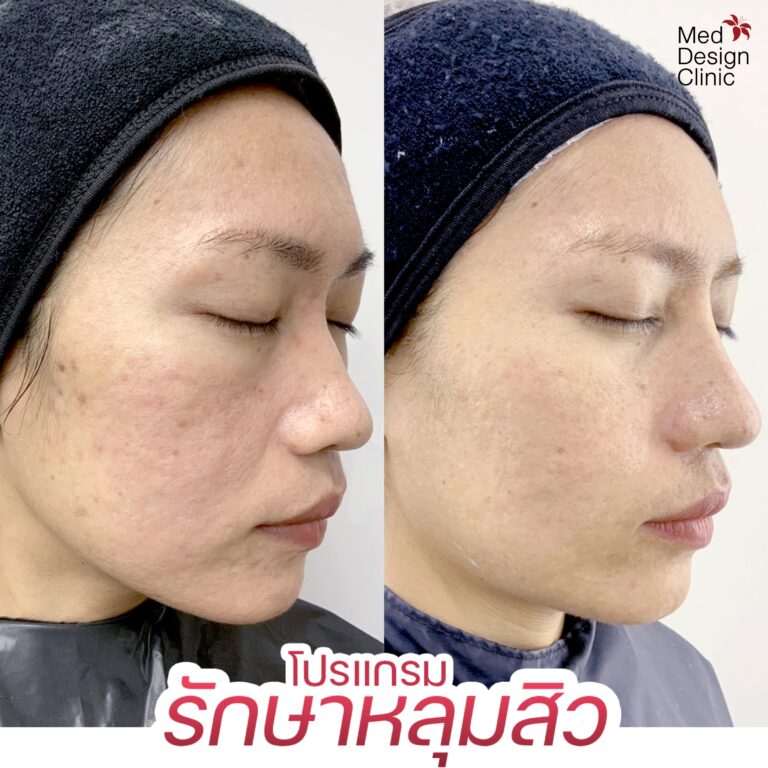
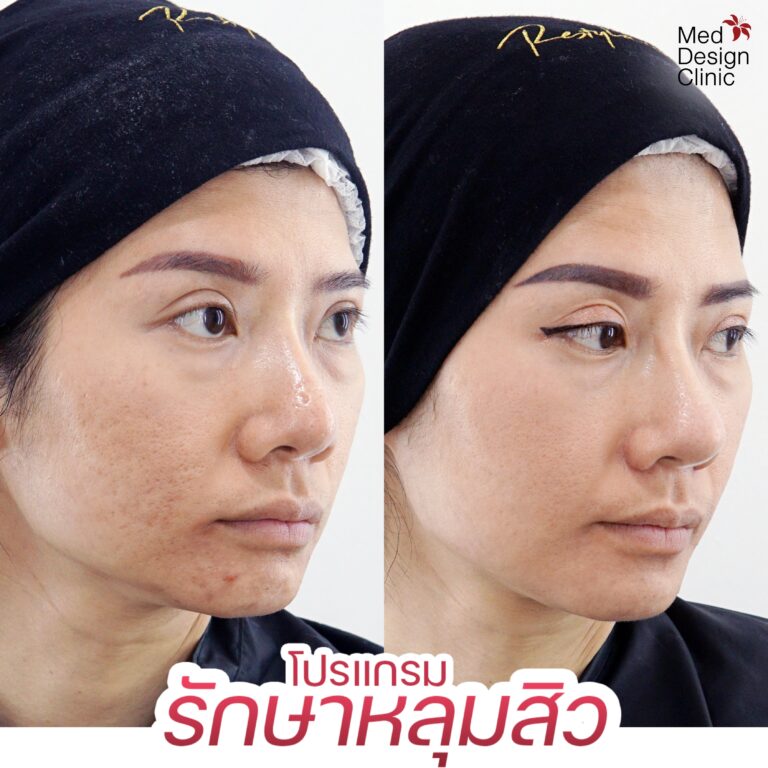
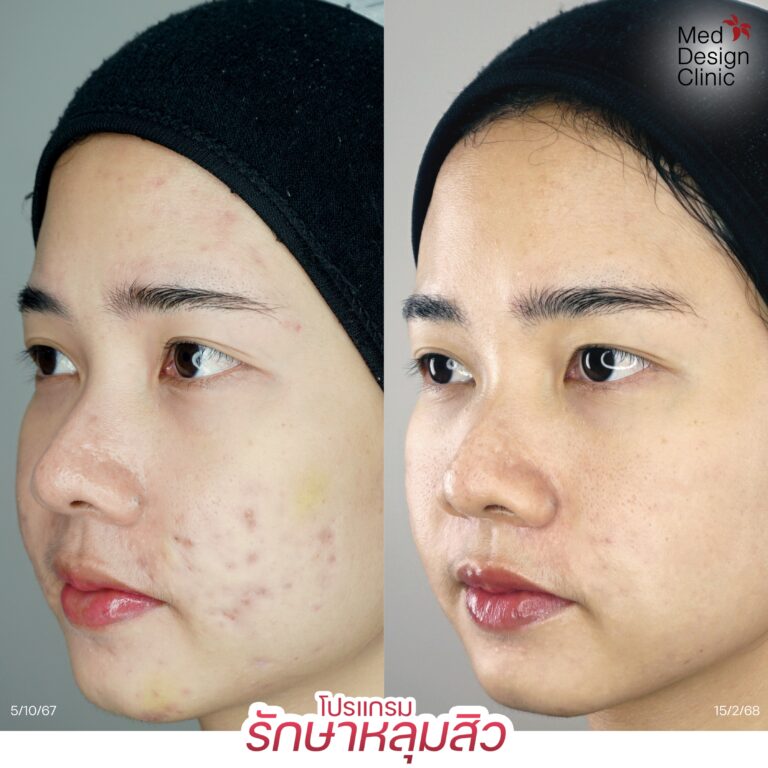
Acne scars
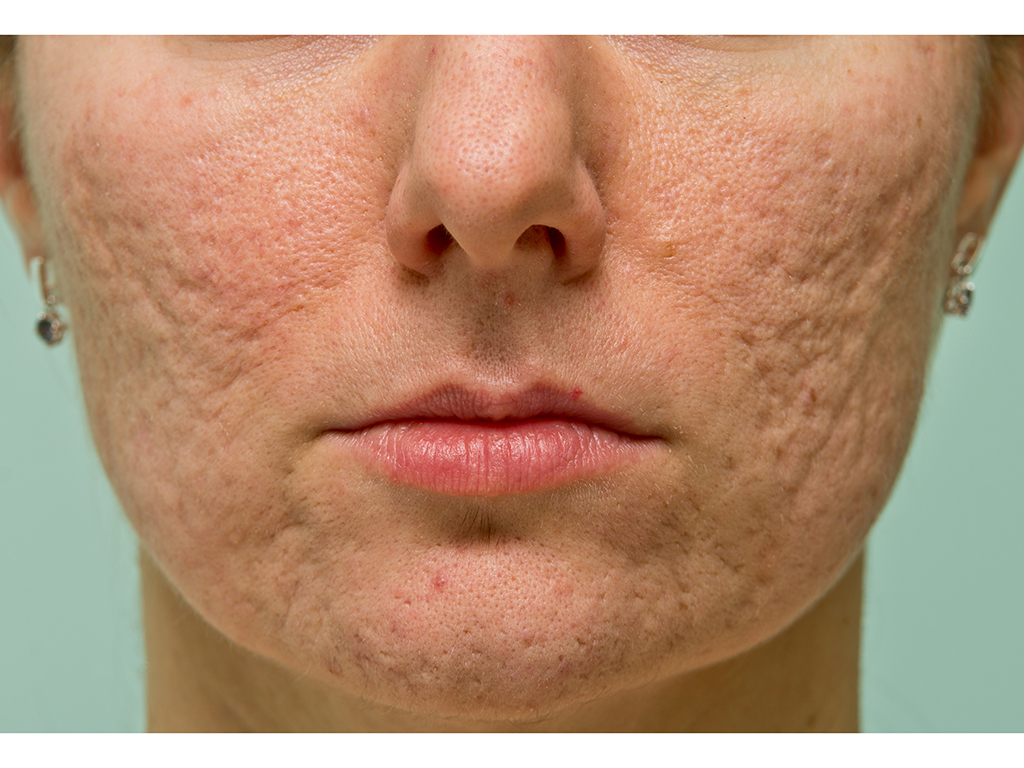
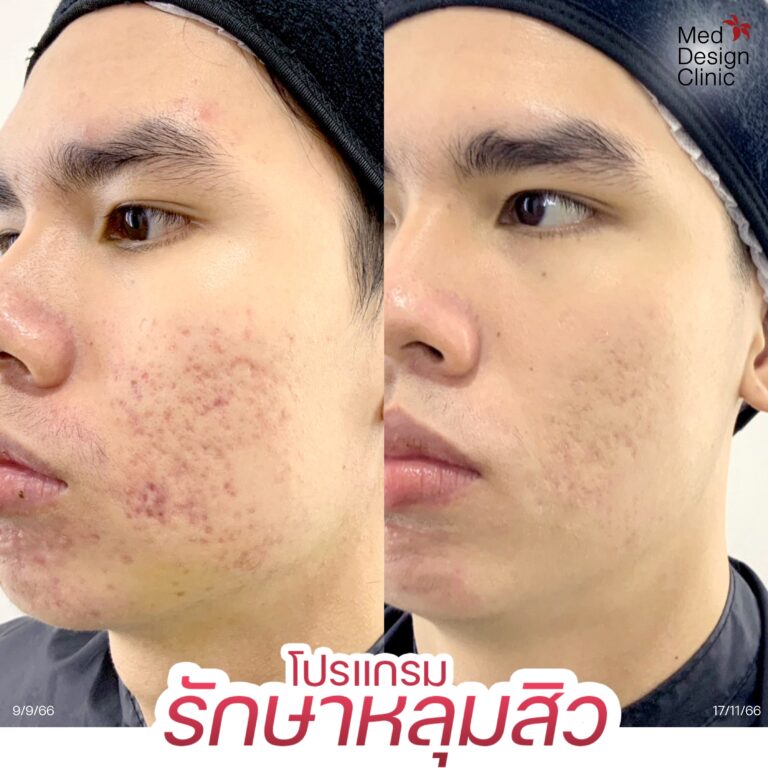
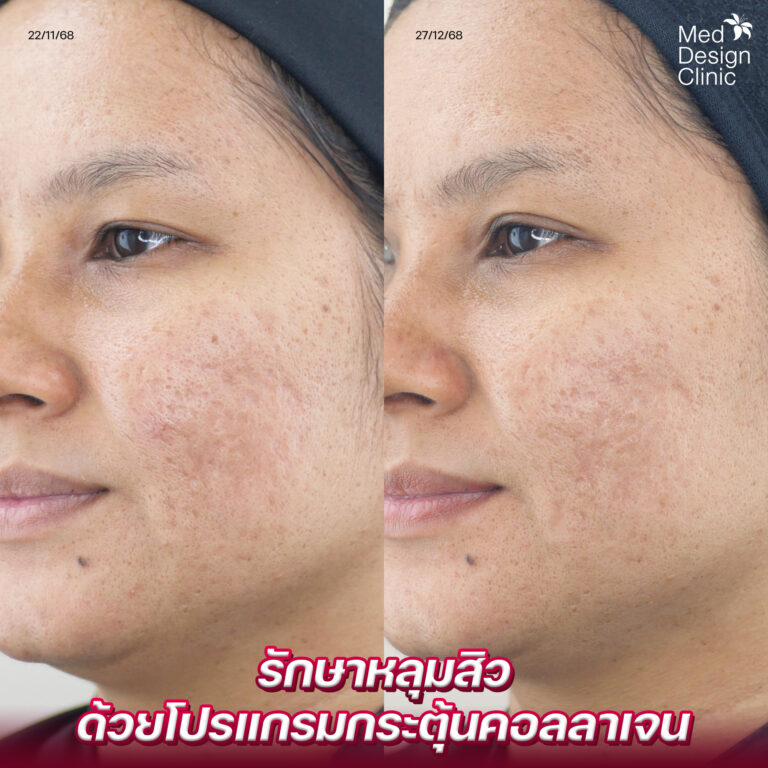
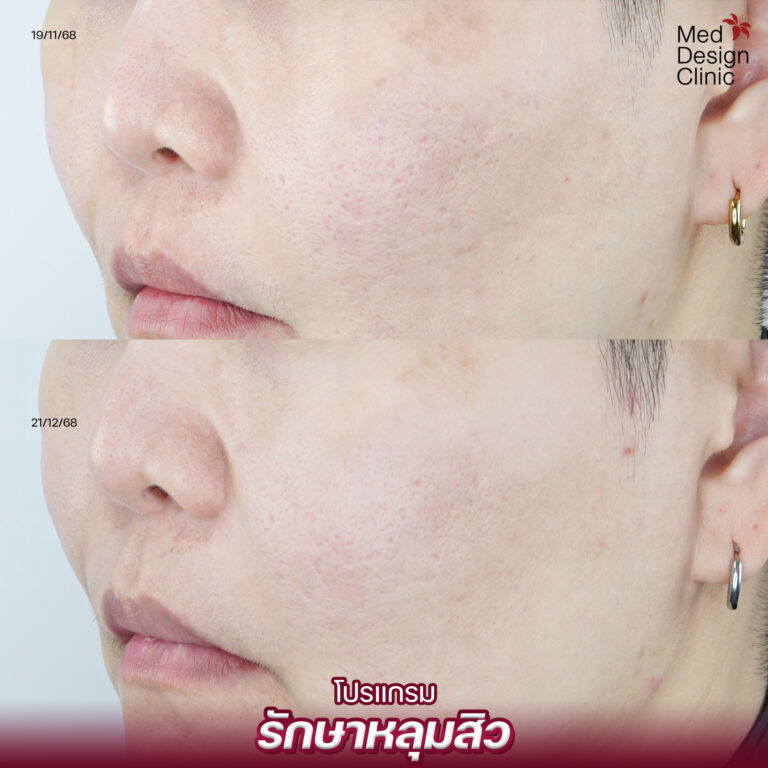
“How many levels of ”acne scars" are there? What causes facial craters?
Atrophic scars, also known as acne scars, are a type of acne scar characterized by depressions or pits that form after acne has healed. Normally, if the body's wound-healing process works effectively, acne can heal without leaving atrophic scars. However, in some cases, during the acne healing process, collagen and tissue in the skin layers are damaged. These are commonly found in problematic skin conditions.Large pimples and long-standing pimples cause the skin to createNew skin cells are not regenerating as well as they should, causing scar tissue to pull on the skin and form acne pits.
Acne scars can be divided into 3 types according to their appearance as follows:
Ice Pick Scar

The pit resembles a drop of ice. The mouth of the pit is narrow but deep. This type of acne scar is the most difficult to treat because the pit is deep, reaching into the dermis or inner layer of the skin. This causes collagen in the skin to be lost along with the scar. As a result, this type of acne scar has no fibrosis because the skin cells are completely destroyed.
2. Box Scar
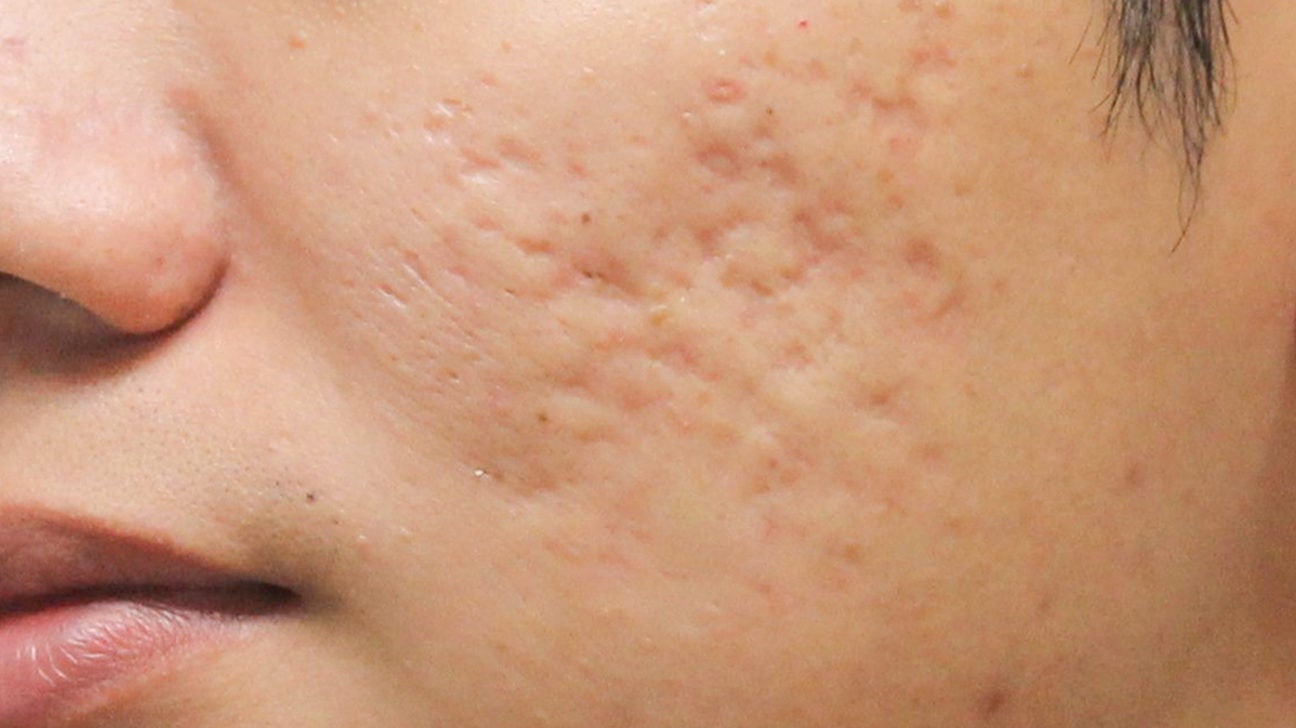
The pit will have a wide base and a wide mouth, similar to a box. The width of the pit will be larger than an ice pick scar, but it will not be as deep. It is of moderate severity and has fibrous bands attached to the inner surface.
3. Rolling Scar

This is a common type of acne scar that tends to occur in areas with thicker skin, such as the cheeks or jawline. HoleThis type of acne is the deepest and can be treated more easily.
How to treat acne scars? What's the best treatment method?
Acne scar treatment depends on the type of acne scar. If treated with the appropriate method for the existing acne scar condition, it will be able to address the problem effectively and restore smoother skin once again. The methods for treating acne scars are as follows:
- Treating acne scars with laser It stimulates the skin to generate cells and collagen in the acne scar area, making the scars shallower. Lasers can be ablative or non-ablative. There are various types of lasers depending on the existing acne scar problem, such as Fractional CO2 Laser, Fraxel, Fine Scan, Fractional, Pico Laser, e-matrix, etc. Precautions for red, dry, peeling, and scabbing skin after laser treatment: Avoid sunlight and always apply sunscreen. This method is not suitable for those who need to use their face for work or go out.
- Treating acne scars with Radiofrequency (RF) The treatment works similarly to laser light therapy, but it uses thermal energy waves to stimulate collagen production in the deeper skin layers. The recovery period is shorter compared to laser treatments. Be aware of potential side effects from the heat, such as facial swelling and redness.
- Dermabrasion It's a skin cell renewal process using micro-diamond powder to stimulate new skin cell production and also help reduce dark spots on the face. This method is suitable forHoleRolling scars and boxcar scars, which should be managed by a doctor.BetweenDermabrasion
- Chemical Peeling This method is suitable for shallow ice pick scars and rolling scars. It stimulates new skin cell production and exfoliates the skin to make it look brighter, using specialized chemical exfoliants. These are divided into three types based on concentration, from low to high. The use of exfoliating agents should be under the supervision of a specialist physician. If used in concentrations that are too high, side effects such as increased sun sensitivity or burns may occur.
- Subcision This is a method where a specialist uses a small needle to cut and release the fascia that is pulling down the skin, thus improving the appearance of depressed scars. It also stimulates the body to create new skin cells from the scar tissue that is formed. During subcision, you may hear a snapping sound as the fascia breaks, which is normal. This method is suitable for rolling scars and box scars. After the procedure, there may be swelling and bruising. Care should be taken to prevent infection by applying medication as prescribed by the doctor and maintaining good hygiene in the wound area.
- Punch Excision for Acne Scars This surgical method uses small instruments to pull the edges of acne scars together and stitch them. This method is suitable for small-mouthed acne scars, such as ice pick scars and boxcar scars with openings no larger than 3mm. It should be performed under the care of a specialist both before and after surgery.
- Acne scar filler injection It is injecting hyaluronic acid (HA) which is harmless to the skin to fill in the areaHoleAcne appears shallower, and it also helps to replenish moisture to the skin. It should only be done by an expert doctor to prevent further scar tissue formation from needle injection.Filler This method will show immediate results after the procedure, but it has the disadvantage that HA dissolves over time, requiring periodic re-injections every 6-12 months, depending on the quality of the filler injected.
- Mesotherapy for acne scars Or, Made Collagen injections, which contain collagen and various skin-nourishing vitamins, help restore and repair skin cells for healthier skin. The skin is stimulated to increase cell production, suitable for mild acne scars. It focuses on improving the skin's ability to retain moisture.